Gravel is one of the most durable and low-maintenance outdoor surfaces, but it does not stay clean on its own. Leaves, weeds, moss, algae, mud, tyre dirt, and general debris gradually accumulate between the stones, affecting both appearance and drainage.
The good news is that most gravel can be restored without replacing it. Whether you have a gravel driveway, decorative garden stones, a footpath, or communal gravel areas around a commercial property, the right maintenance approach can dramatically improve its appearance and lifespan.
Many people focus on washing gravel when the real issue is contamination. Understanding whether the problem is algae, weeds, soil build-up, or drainage failure is often the key to choosing the right solution.
Quick Guide: How to Clean Gravel in 7 Steps
The most effective way to clean gravel is to remove debris, eliminate weeds, treat moss or algae, wash heavily soiled areas, and restore the gravel surface through regular maintenance.
Remove leaves and loose debris
Use a leaf blower, stiff broom, or plastic rake to clear the surface.
Remove weeds
Pull weeds by hand or use an appropriate weed treatment.
Rake the gravel
Redistribute displaced stones and level the surface.
Treat moss and algae
Apply a suitable treatment before washing.
Wash heavily soiled areas
Use a hose or pressure washer carefully where necessary.
Top up gravel
Add fresh gravel where coverage has become thin.
Maintain regularly
Preventative maintenance is easier and cheaper than restoration.
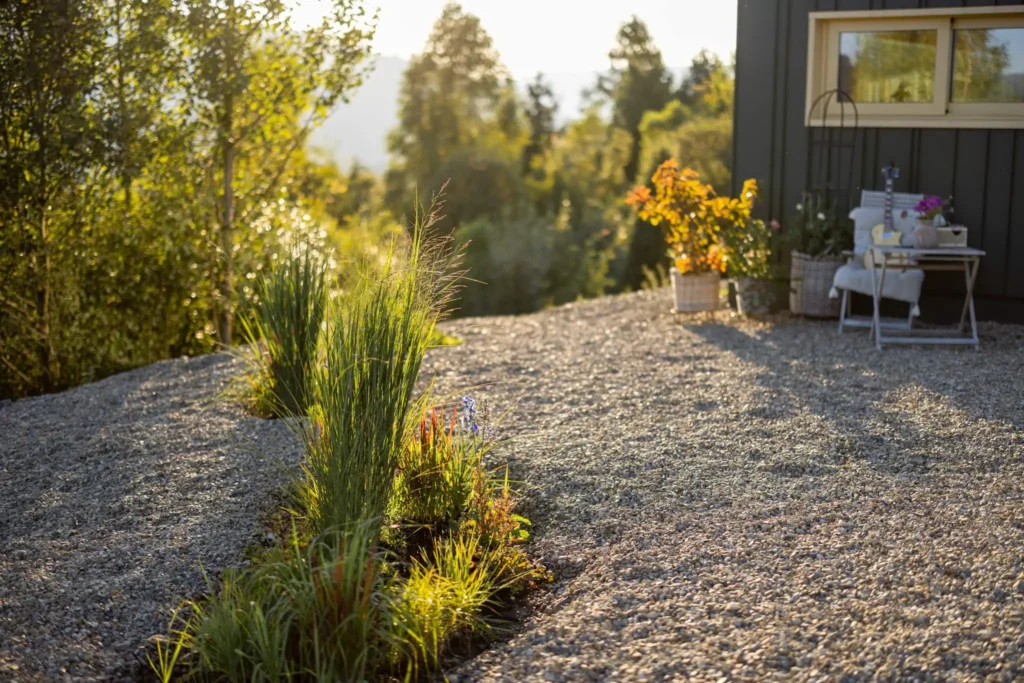
How to Clean Gravel Step by Step
The best way to clean gravel is to work from the surface downward, removing debris first, then weeds and biological growth, before addressing deeper contamination.
Many gravel cleaning projects fail because people start with a pressure washer. In reality, most of the improvement comes from preparation rather than washing.
Step 1: Remove Surface Debris
Leaves, twigs, grass clippings, and other organic matter should always be removed first.
Organic debris traps moisture and gradually breaks down into soil. That soil then creates the perfect environment for weeds, moss, and algae.
For larger areas, a leaf blower is usually the fastest option. Decorative beds and smaller paths can be cleaned with a plastic rake or stiff broom.
Step 2: Remove Weeds
Once debris has been cleared, tackle any visible weeds.
Most weeds growing in gravel are rooted in accumulated organic matter sitting between the stones rather than growing through the membrane beneath.
Hand Removal
Hand pulling works well when weed growth is limited.
Removing weeds after rainfall can make the process easier because the roots release more readily from the ground.
Weed Treatments
Larger infestations may require treatment.
| Weed Type | Best Approach |
| Annual weeds | Hand removal or spot treatment |
| Broadleaf weeds | Selective weed treatment |
| Deep-rooted weeds | Systemic treatment |
| Widespread growth | Combination approach |
Follow manufacturer instructions and avoid overspray onto surrounding plants.
Step 3: Rake and Redistribute the Gravel
Raking restores both appearance and performance.
Over time, gravel migrates into low spots and away from high-traffic areas. This creates uneven coverage and can expose the membrane underneath.
Pay particular attention to:
- Driveway entrances
- Parking areas
- Footpaths
- Turning points
Freshly raked gravel often looks significantly cleaner before any washing takes place.
Step 4: Treat Moss and Algae
Moss and algae should be treated before washing.
Simply blasting green growth with water often removes the visible symptoms without addressing the underlying problem.
Remove thick moss deposits manually first, then apply a suitable treatment according to the manufacturer’s instructions.
Step 5: Wash the Gravel
Once debris, weeds, and biological growth have been addressed, deeper cleaning can begin.
Using a Garden Hose
A garden hose is often sufficient for:
- Dust
- Pollen
- Light dirt
- Surface debris
Work across the area gradually to avoid washing stones away.
Using a Pressure Washer
Pressure washing can be effective but should be used carefully.
Too much pressure can:
- Scatter gravel
- Create uneven surfaces
- Damage nearby planting
- Remove decorative stones
Lower pressure settings and wider fan nozzles generally provide the best results.
Step 6: Top Up Thin Areas
Cleaning often reveals areas where gravel depth has reduced over time.
Adding fresh gravel helps maintain appearance, suppress weeds, and improve coverage.
How to Clean a Gravel Driveway
The best way to clean a gravel driveway is to remove debris, control weeds, restore the gravel profile, and treat contamination caused by vehicles and weather.
Driveways face different challenges from decorative gravel beds. Vehicle traffic introduces mud, tyre residue, road dust, and oil contamination.
Remove Tyre Dirt and Road Grime
Road dirt gradually settles between the stones.
Regular raking and occasional washing help prevent the surface from becoming compacted and discoloured.
Repair Compacted Areas
Compaction commonly occurs:
- Near garages
- Parking spaces
- Turning areas
- Gates and entrances
Breaking up compacted gravel helps restore drainage and appearance.
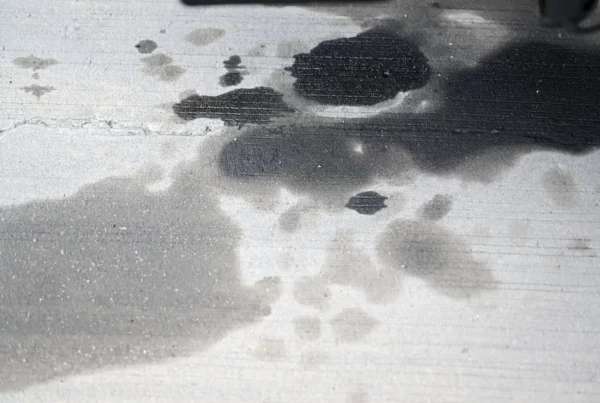
Check for Oil and Fluid Stains
Vehicle leaks can create dark patches that stand out against lighter-coloured gravel.
Treat stains early before they spread deeper into the surface.
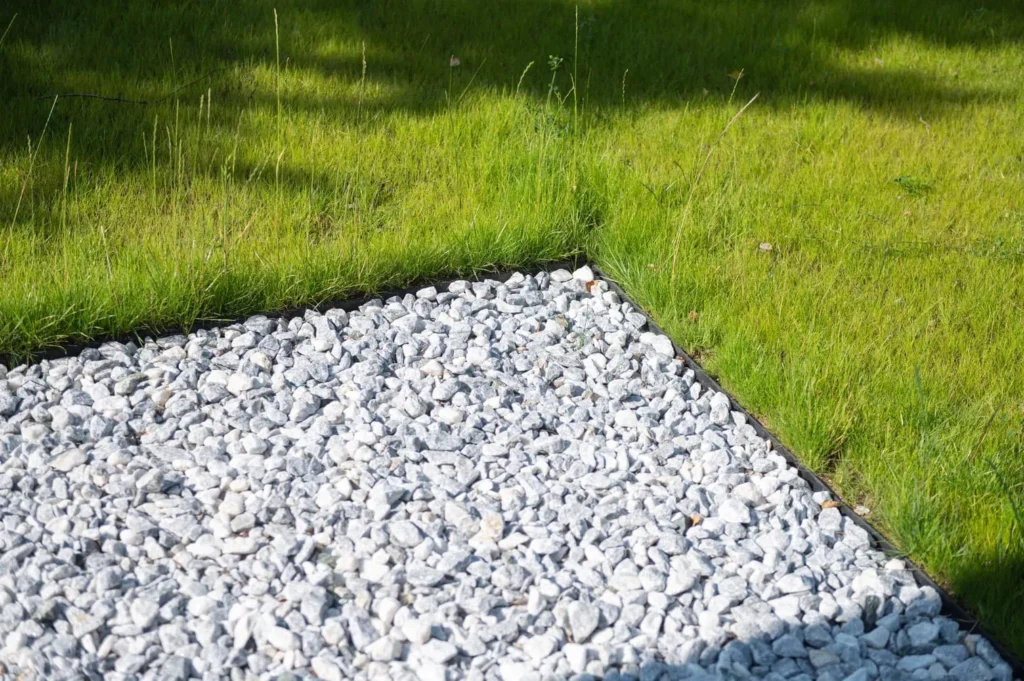
How to Clean White Gravel
White gravel can usually be restored by removing algae, organic staining, and surface dirt before discolouration becomes permanent.
White decorative stone remains popular because it creates a bright, contemporary appearance. The trade-off is that dirt and biological growth are more visible.
Why White Gravel Turns Grey or Green
Common causes include:
- Algae
- Moss
- Dust
- Vehicle contamination
- Leaf staining
Cleaning White Gravel Safely
Aggressive cleaning methods can damage certain decorative stones.
Start with the gentlest approach first and only increase cleaning intensity if required.
Keeping White Gravel Bright
To maintain appearance:
- Remove leaves regularly
- Improve airflow
- Treat algae early
- Top up gravel when necessary
How to Remove Moss and Algae From Gravel
Moss and algae are best controlled through treatment rather than washing alone.
Both thrive in damp conditions and tend to return quickly if the underlying cause remains.
Why Moss and Algae Grow
Common causes include:
- Shade
- Poor drainage
- Organic debris
- Constant moisture
The longer moisture remains trapped within the gravel, the more likely biological growth becomes.
Which Treatments Work?
Most moss and algae treatments require time to work.
Removing thick growth first often improves effectiveness because the treatment can reach deeper into the problem.
Pressure Washing vs Soft Washing
| Method | Best For |
| Pressure washing | Surface cleaning |
| Soft washing | Moss and algae treatment |
| Manual removal | Thick moss deposits |
| Combined approach | Severe infestations |
For recurring algae problems, treatment generally provides longer-lasting results than washing alone.
If you’re dealing with green surfaces across multiple outdoor areas, you may also find our soft wash patio cleaning service useful, as the same moisture, shade, and organic debris that affect gravel often cause similar problems on patios and paving.
How to Remove Weeds From Gravel
The most effective weed control strategy combines removal, prevention, and regular maintenance.
Weeds are often a symptom of debris and soil accumulation rather than a gravel problem itself.
Remove Existing Growth
Remove weeds before they produce seeds.
Early intervention prevents a small problem becoming a large one.
Prevent Future Growth
Focus on:
- Removing leaf litter
- Maintaining gravel depth
- Regular inspections
- Treating isolated weeds quickly
Do Weed Membranes Work?
Membranes help reduce weed growth but are not a permanent solution.
Many weeds establish themselves in the dirt that accumulates above the membrane rather than growing through it.
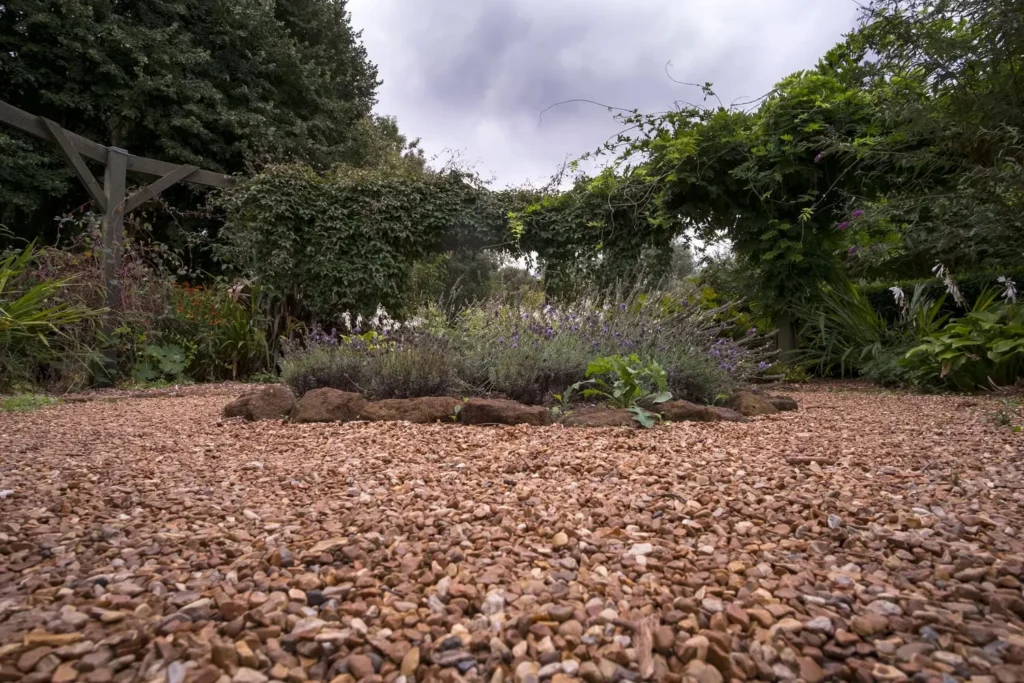
Can You Pressure Wash Gravel?
Yes, gravel can be pressure washed, but not every type of gravel responds equally well.
The biggest mistake is assuming more pressure produces better results.
Which Gravel Types Can Be Pressure Washed?
| Gravel Type | Suitable for Pressure Washing? |
| Driveway gravel | Usually yes |
| Crushed stone | Usually yes |
| Decorative slate | Often yes |
| White marble gravel | With care |
| Pea gravel | Often problematic |
Smaller stones move more easily and may be displaced during cleaning.
How to Prevent Gravel Being Blasted Away
Use:
- Lower pressure settings
- Wide fan nozzles
- Angled spraying
- Short test areas
When Soft Washing Works Better
Soft washing is often a better choice when moss or algae is the primary problem.
Treating biological growth usually provides longer-lasting results than relying on pressure alone.
How to Clean Gravel That Is Full of Soil
When soil becomes mixed throughout the gravel, washing alone is rarely enough to solve the problem.
This is one of the most common reasons gravel surfaces lose their appearance and drainage performance.
Why Soil Builds Up
Soil enters gravel from:
- Flower beds
- Lawns
- Vehicle tyres
- Foot traffic
- Decomposing leaves
Over several years, significant contamination can occur.
How Much Soil Is Too Much?
A simple test is to rake the gravel.
If the rake consistently brings up large amounts of dirt rather than stone, contamination is becoming significant.
Other warning signs include:
- Standing water
- Persistent weeds
- Muddy appearance during dry weather
- Gravel sticking together
Can Gravel Be Separated From Soil?
Yes. For smaller areas, gravel can be screened using a sieve or mesh screen.
The gravel is removed, shaken through the screen, and the soil is separated from the stone.
When Washing Won’t Solve the Problem
Washing works when dirt sits on the surface.
Once soil is mixed throughout the gravel layer, screening or partial replacement usually becomes more effective.
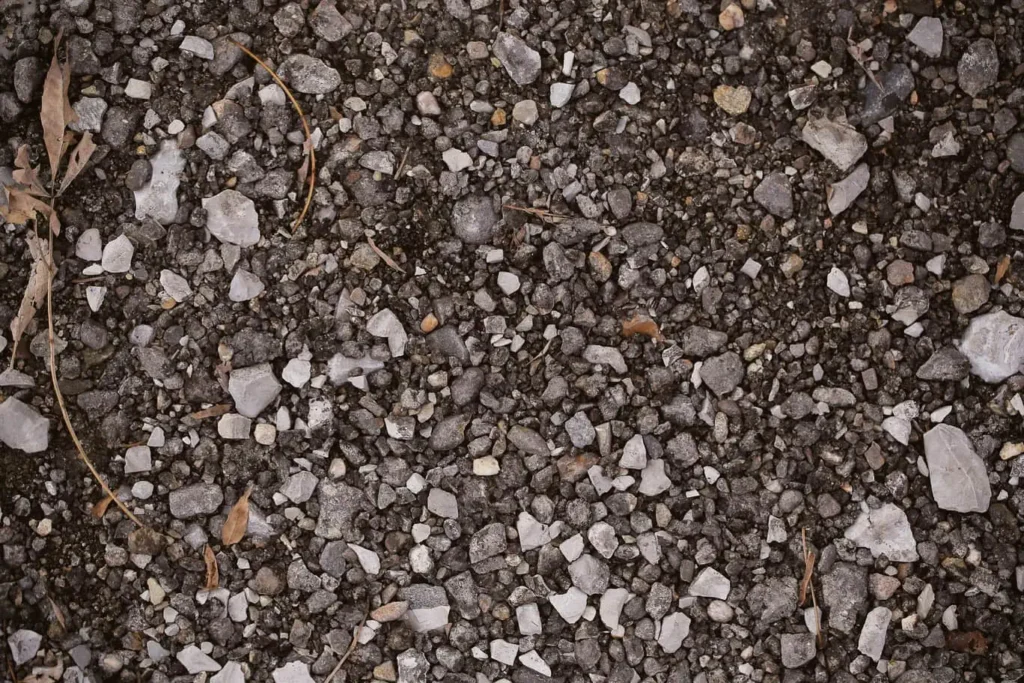
Should You Clean, Screen or Replace Gravel?
The right solution depends on the condition of the gravel and the severity of contamination.
Not every gravel problem requires replacement.
When Cleaning Is Enough
Cleaning is usually sufficient for:
- Algae
- Moss
- Surface dirt
- Light weeds
- Minor staining
When Screening Makes Sense
Screening becomes worthwhile when:
- Soil contamination is significant
- Drainage is slowing down
- Gravel remains structurally sound
When Replacement Is the Better Option
Replacement is often the most practical solution when:
- Drainage has failed
- Gravel depth has been lost
- Contamination is severe
- The sub-base has deteriorated
Clean VS Screen VS Replace
| Situation | Clean | Screen | Replace |
| Surface dirt | ✓ | ||
| Algae | ✓ | ||
| Light weeds | ✓ | ||
| Soil contamination | ✓ | ||
| Mud throughout gravel | ✓ | ✓ | |
| Drainage failure | ✓ |
Common Gravel Problems and How to Fix Them
Most gravel issues fall into a handful of predictable categories.
Identifying the correct problem usually leads to a faster and more effective solution.
Gravel Has Turned Green
Treat moss or algae before washing.
Gravel Looks Muddy
Inspect for soil contamination and drainage issues.
Gravel Has Weeds Everywhere
Remove weeds and address the organic matter supporting their growth.
Gravel Is Disappearing
Check for migration into surrounding areas and top up where necessary.
Gravel No Longer Drains
Investigate soil contamination, compaction, and possible sub-base issues.
Gravel Maintenance Calendar
Regular maintenance prevents most major gravel problems from developing.
Small interventions throughout the year are usually more effective than occasional intensive cleaning.
| Season | Recommended Tasks |
| Spring | Rake gravel, treat moss, inspect drainage |
| Summer | Spot-treat weeds, level surface |
| Autumn | Remove fallen leaves regularly |
| Winter | Check for standing water and compaction |
When to Call a Professional Cleaning Company
Professional cleaning can be worthwhile when gravel areas are large, heavily contaminated, or affected by persistent moss and algae.
Commercial properties often benefit from scheduled maintenance rather than reactive cleaning.
Gravel Cleaning for Commercial Properties
Common examples include:
- Apartment blocks
- Office developments
- Schools
- Healthcare facilities
- Managed properties
In these environments, appearance and drainage are equally important.
Areas Requiring Specialist Equipment
Some gravel cleaning projects require:
- Commercial pressure washing equipment
- Soft washing systems
- Screening equipment
- Large-scale debris removal
Keeping Gravel Looking Its Best
Gravel rarely needs replacing simply because it looks dirty. Most problems are caused by debris, biological growth, soil contamination, or uneven distribution that has built up over time.
Addressing these issues early keeps maintenance simple and affordable. Regular raking, debris removal, weed control, and occasional cleaning can help gravel driveways, paths, and decorative areas remain attractive, free-draining, and easy to maintain for years.
If your gravel driveway, path, or decorative stone areas are looking green, muddy, or difficult to maintain, Cardiff Window Cleaner Ltd can help. Contact us today for a free quotation and expert advice on the best solution for your property.
How to Clean Gravel FAQs
What is the easiest way to clean gravel?
Remove debris, pull weeds, treat moss or algae, rake the gravel, and wash heavily soiled areas as required.
How do you clean gravel without removing it?
Most gravel can be cleaned in place using raking, debris removal, weed control, and targeted treatments.
Can you pressure wash gravel?
Yes, but lower pressure settings and wide fan nozzles generally produce the best results.
What kills moss in gravel?
Specialist moss treatments are typically more effective than washing alone.
Can you use bleach on gravel?
Bleach may affect surrounding plants and should be used carefully. Always follow product instructions.
How do you clean white gravel stones?
Remove debris, treat algae, wash away dirt, and maintain the area regularly.
How often should gravel be replaced?
Well-maintained gravel can last for many years, although occasional top-ups are often required.
Is it cheaper to clean gravel or replace it?
In most situations, cleaning is significantly cheaper. Replacement becomes more economical when contamination or drainage problems are severe.