
To clean a pathway, start by sweeping and inspecting the area, then use the appropriate cleaner for your path’s surface — brick, stone, concrete, or gravel. Avoid high-pressure washing fragile materials, use eco-friendly options where possible, and follow seasonal maintenance tips to keep your path safe, clean, and long-lasting.
- Why Cleaning Your Pathway Matters
- Tools and Materials You May Need
- General Preparation Before Cleaning Any Pathway
- How to Clean a Pathway: Methods for Different Types
- How to Remove Common Pathway Stains
- Eco-Friendly and DIY Cleaning Solutions
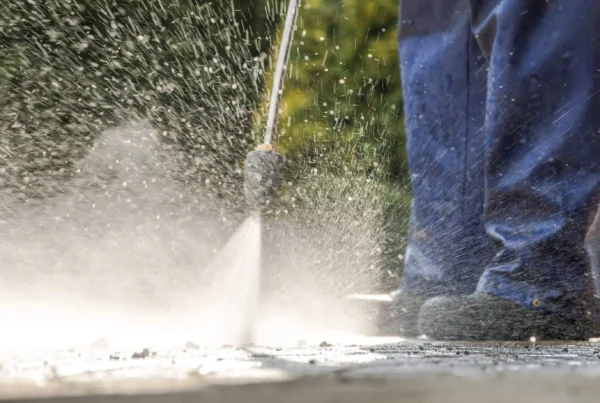
- When to Use a Pressure Washer — And When Not To
- How to Clean a Pathway Through the Seasons
- Common Mistakes to Avoid When Cleaning Pathways
You might not notice it day to day — until you do. That grey haze on the bricks. The black patches near the drain. The mossy film that turns your once-fresh path into a slippery hazard. It sneaks up, then suddenly it’s all you see.
Cleaning your pathway is about safety, longevity, and frankly — pride. A clean path makes your whole property feel more looked after. But doing it right takes more than a quick blast with a hose.
This isn’t just another “spray and scrub” how-to. It’s a practical guide for anyone who wants to clean their path properly, based on what actually works.
Key Takeaways
- Preparation matters: Clear and inspect your path before cleaning.
- Match method to material: Each surface needs a different approach.
- Eco-friendly solutions work: Vinegar, baking soda, and lemon juice go a long way.
- Use pressure washers wisely: Great for concrete, risky on old stone or loose bricks.
- Seasonal care saves time: Regular light maintenance beats one big deep clean.
- Professional help is smart for large or hazardous jobs.
Why Cleaning Your Pathway Matters
A dirty pathway doesn’t just look tired — it can become dangerous. Moss, algae, and grime can make surfaces slippery, especially in wet months. Dirt can also accelerate erosion or staining, especially on porous materials like brick or sandstone. Regular cleaning protects your surfaces, prevents build-up, and helps you spot early signs of damage.
Think of it like servicing your car — regular care beats expensive repairs later.

Tools and Materials You May Need
- Broom or stiff outdoor brush
- Garden hose or pressure washer (low to medium setting)
- Bucket and warm water
- Scraper or putty knife (for weeds or moss)
- Cleaning solution (store-bought or DIY)
- Protective gloves
- Moss/weed killer (optional, if growth is excessive)
- Tarp (to protect nearby plants)
General Preparation Before Cleaning Any Pathway
- Clear the area – remove furniture, planters, and debris.
- Dry sweep – use a broom to get rid of loose dirt and leaves.
- Inspect for damage – note cracks, wobbly pavers, or areas where water pools.
- Pre-wet the surface – this helps cleaning agents spread evenly.
Tip: Don’t clean in direct midday sun — it causes cleaners to evaporate too fast.
How to Clean a Pathway: Methods for Different Types
How to Clean a Brick Pathway
Use a diluted detergent or vinegar-water mix. Scrub gently to avoid dislodging sand or mortar. Rinse thoroughly. Avoid high-pressure washers directly on joints.
How to Clean a Stone Pathway
Use pH-neutral cleaners only — harsh products can etch stone. A soft brush works best. Rinse carefully to avoid streaks. For larger or more delicate areas, consider soft washing, a low-pressure method that’s safer for natural stone surfaces.
How to Clean a Concrete Pathway
Tough but porous. Use degreasers for oily stains and oxygen bleach for organic build-up. Pressure washing is usually fine, but don’t hover in one spot too long.
How to Clean a Gravel Pathway
Rake the top layer first. Spot-clean using a watering can with vinegar mix. Pull weeds by hand or spot-treat with eco weed killer. Re-level with fresh gravel if needed.
How to Remove Common Pathway Stains
| Stain Type | Removal Tip |
| Moss/Algae | Vinegar spray, leave 30 mins, then scrub and rinse |
| Oil/Grease | Cat litter to absorb, then degreaser or baking soda + water paste |
| Rust | Lemon juice + salt paste or commercial rust remover |
| Paint | Scrape gently, then use solvent (check material first!) |
| Leaf/Tannin | Oxygen bleach or diluted vinegar spray |
Always spot-test your method in an inconspicuous area first.

Eco-Friendly and DIY Cleaning Solutions
- Vinegar + Water (1:1) – great for moss, algae, and general cleaning
- Baking Soda + Water Paste – ideal for stubborn marks
- Lemon Juice + Salt – effective on rust or organic stains
- Oxygen Bleach (not chlorine) – strong but safer for the environment
Skip bleach unless necessary — it’s tough on greenery and groundwater.
When to Use a Pressure Washer — And When Not To
| Use Pressure Washer When… | Avoid Pressure Washer When… |
| Cleaning concrete or durable brick | Pathway is loose-laid or has wide joints |
| You need to cover a large area quickly | Surface is delicate (e.g. sandstone, decorative tile, old stone) |
| You can control and limit PSI (keep it low-medium) | You risk dislodging sand or mortar |
Pressure washing feels satisfying, but it’s not always the safest choice.
How to Clean a Pathway Through the Seasons
- Spring: Clear moss/algae after winter dampness
- Summer: Sweep regularly, especially after storms
- Autumn: Remove leaf build-up quickly to avoid stains
- Winter: Apply anti-slip or anti-moss treatments if needed
A bit of seasonal effort can save hours of scrubbing later.
Common Mistakes to Avoid When Cleaning Pathways
| Mistake | Why to Avoid |
| Using harsh bleach | Damages surface and harms surrounding plants |
| High-pressure washing joints | Can erode mortar or shift pavers |
| Cleaning in peak sun | Causes streaks and uneven drying |
| Skipping prep | Reduces effectiveness and creates more mess |
| Ignoring safety gear | Some cleaners can irritate skin or eyes |
How to Clean a Pathway — And Keep It That Way
Cleaning a path shouldn’t feel like a punishment. With the right tools, a bit of prep, and realistic expectations, you can make even the grubbiest walkway feel fresh again — without damaging it or needing pro gear.
And if your path is especially large, neglected, or slippery — don’t push through blindly. That’s when calling a professional cleaner (like us!) can save you time, hassle, and potential injury.
Need help with pathway, driveway, or patio cleaning in your area? Contact Cardiff Window Cleaner Ltd for expert surface cleaning done safely and properly — no mess, no damage.